


TERMINAL BENCH 4
TB4
Long-horizon work at the command line.
Stateful terminal tasks with tools, files, and verifiable end states for agents that have to finish the job.
CLIenvironment
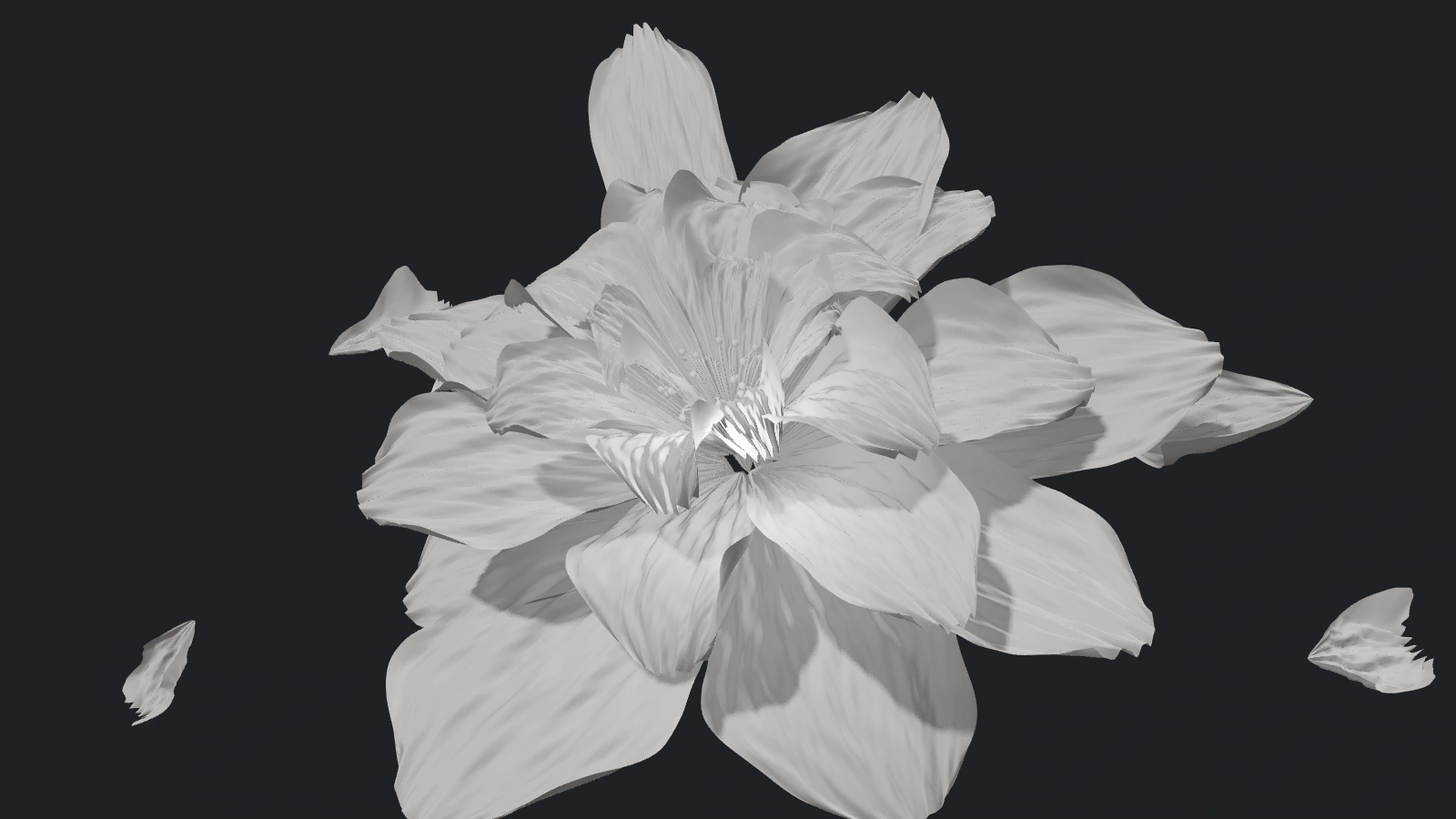

LoopsForge · Aurora Bloom
A living petal sculpture · One geometry, two materials. An original study in form and motion.
/ PRODUCTS — SELECTED WORKS
Explore the structure beneath the extraordinary. From a living bloom to liquid metal, impossible stairs and a cathedral interior. Choose an artwork, then drag the divider to reveal its form in clay.
/ DATASETS — TASK ENVIRONMENTS
Purpose-built task data across terminals, science, software, interfaces, and 3D design. Each collection keeps the working context visible, so progress can be evaluated against an outcome.
TERMINAL BENCH 4
Long-horizon work at the command line.
Stateful terminal tasks with tools, files, and verifiable end states for agents that have to finish the job.
SCIENCE TASKS
Scientific work with a traceable path.
Research workflows that connect evidence, computation, and interpretation into a reviewable trajectory.
LONG-HORIZON SWE
Software tasks that stay coherent over time.
Repository-scale engineering work with context, dependencies, tests, and the details that make a change hold together.
COMPUTER USE AGENT
Interfaces as part of the task.
Grounded interaction data for agents that read screens, operate tools, and complete multi-step workflows.
COMPUTER-AIDED DESIGN
Geometry with intent behind every edge.
Parametric design tasks that capture constraints, construction steps, spatial relationships, and finished form.
3D SCENE DATA
Scenes that can be opened, edited, and understood.
Structured 3D tasks across modeling, materials, lighting, and scene assembly, delivered with the context to reproduce the result.
SELECTED 3D STUDIES
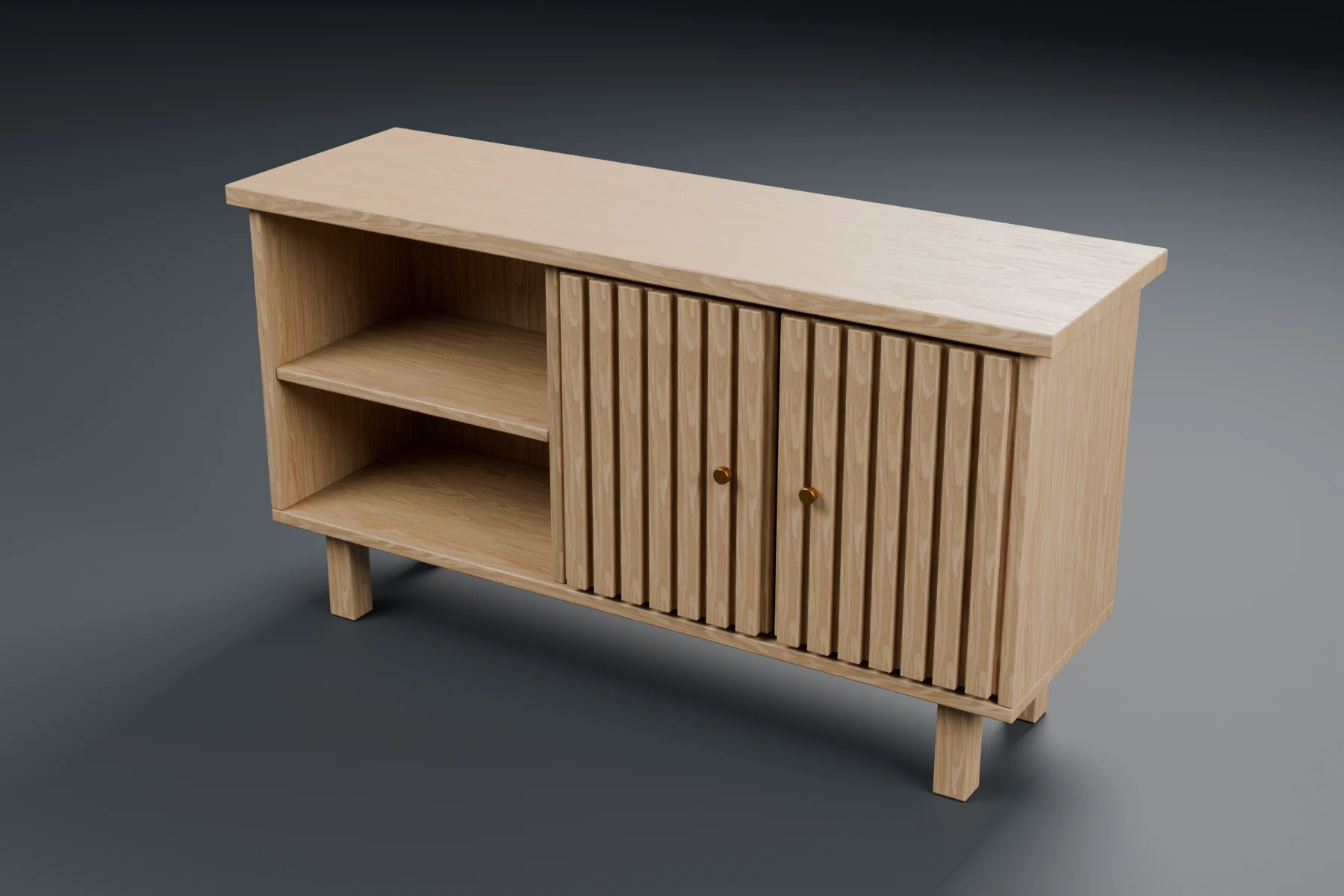
Open shelving and individually modeled slats give a quiet piece of furniture its character.
Original parametric geometry. Oak texture: Poly Haven / Jenelle van Heerden, CC0. CC0 ↗
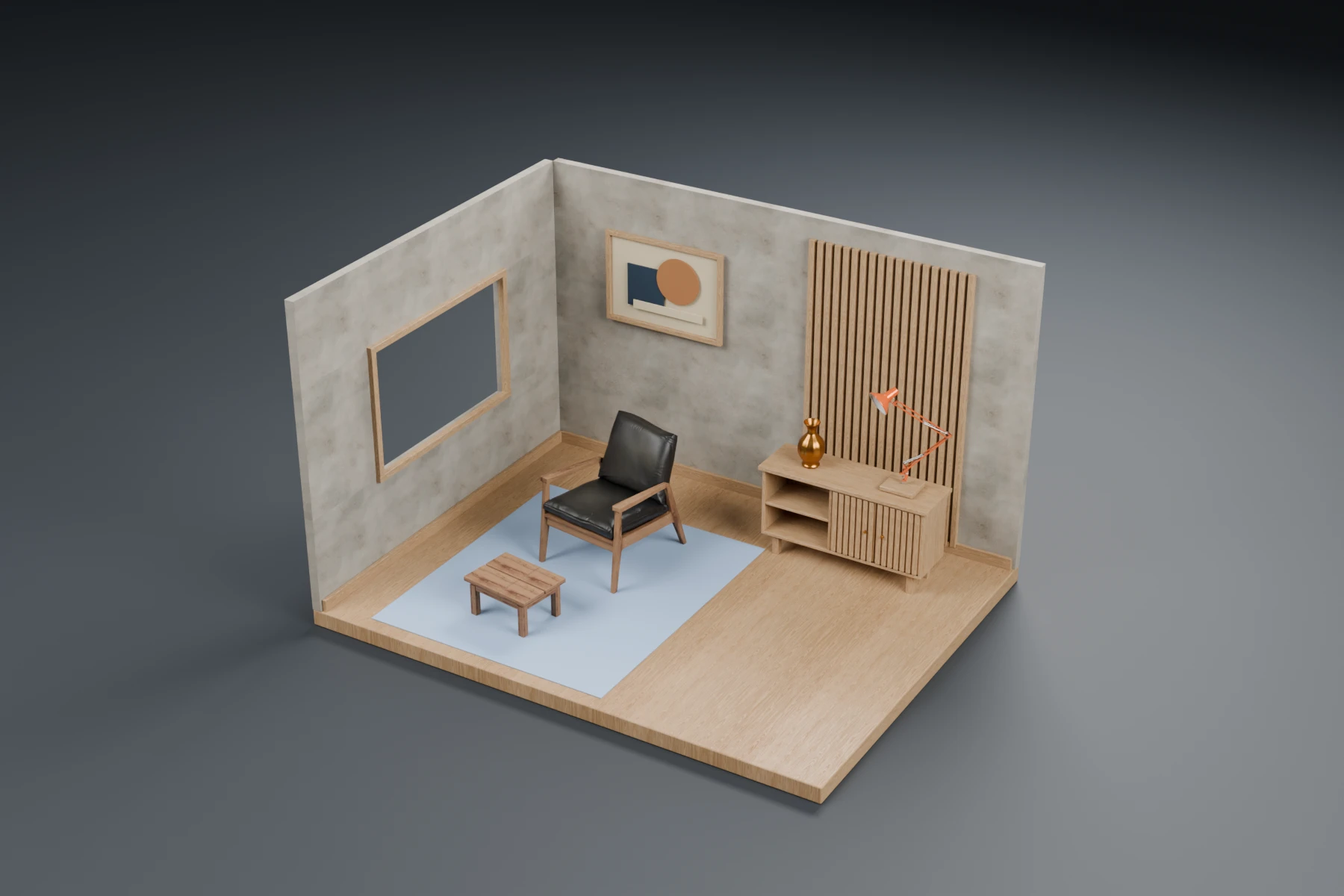
An open window, considered proportions, and a shared palette of wood, fabric and metal.
Architecture and layout by LoopsForge. Chair, lamp-arm and selected textures adapted from Poly Haven CC0 assets by Vibrant Nordic, Kuutti Siitonen, Yann Kervran, Jenelle van Heerden, Rico Cilliers, colormass and Rob Tuytel. CC0 ↗
/ THE PROCESS — QUALITY BY DESIGN
From the source of a task to the evidence of a successful run. Explore the standards behind each delivery and the records agreed for review.
Tasks are independently authored, not relabeled benchmark evaluation sets. Third-party inputs must have a documented license or authorization. Synthetic fixtures are identified as such, not presented as customer production data.
Define each split’s intended use, separate training and development assets from held-out evaluation, and review overlap where source material is available. Disclose shared-stock versus exclusive-task scope. Published samples are not private holdouts.
Customer materials are not ours to redistribute. Inclusion, disclosure, and reuse require authorization; licensing must state the permitted uses of the task package and its reference artifacts.
Use coherent workflows, plausible constraints, and explicit success criteria. The task and verifier should assess the intended capability, not accidental environment quirks or irrelevant formatting conventions.
Design task mixes around capability coverage and the customer’s difficulty targets. Where calibration runs are in scope, use observed behavior and failure analysis rather than presenting unmeasured difficulty as an established fact.
Check expected successes and representative failures, accept alternative valid solutions, and review shortcuts that could bypass the intended work. Keep reference artifacts and private checks out of the agent-visible workspace unless the protocol explicitly permits them.
Reference trajectories come from actual successful executions, not invented transcripts. Pair observable actions, relevant tool outputs, and state changes with the verification result. They document a demonstrated solution path—not a script every agent must copy.
Specify the tools, dependencies, initial data, and resource requirements the task actually needs. Avoid unrelated services and bundled live credentials; document network access, randomness, and external dependencies that can affect repeatability.
Keep task definitions, reference trajectories, and verifiers tied to the same version. Review delivered artifacts for secrets and unauthorized sensitive material, and document validation scope, known limitations, and changes between releases.
/ THE DELIVERY — EVIDENCE INCLUDED
For each engagement, we agree which records accompany the task package so quality can be reviewed against a concrete acceptance scope.
Our commitment is to original, properly sourced tasks and explicit evaluation boundaries. Split discipline and overlap review reduce contamination risk; they cannot establish what every third-party model has seen in undisclosed training data. Specific validation and data-handling requirements are agreed per engagement.